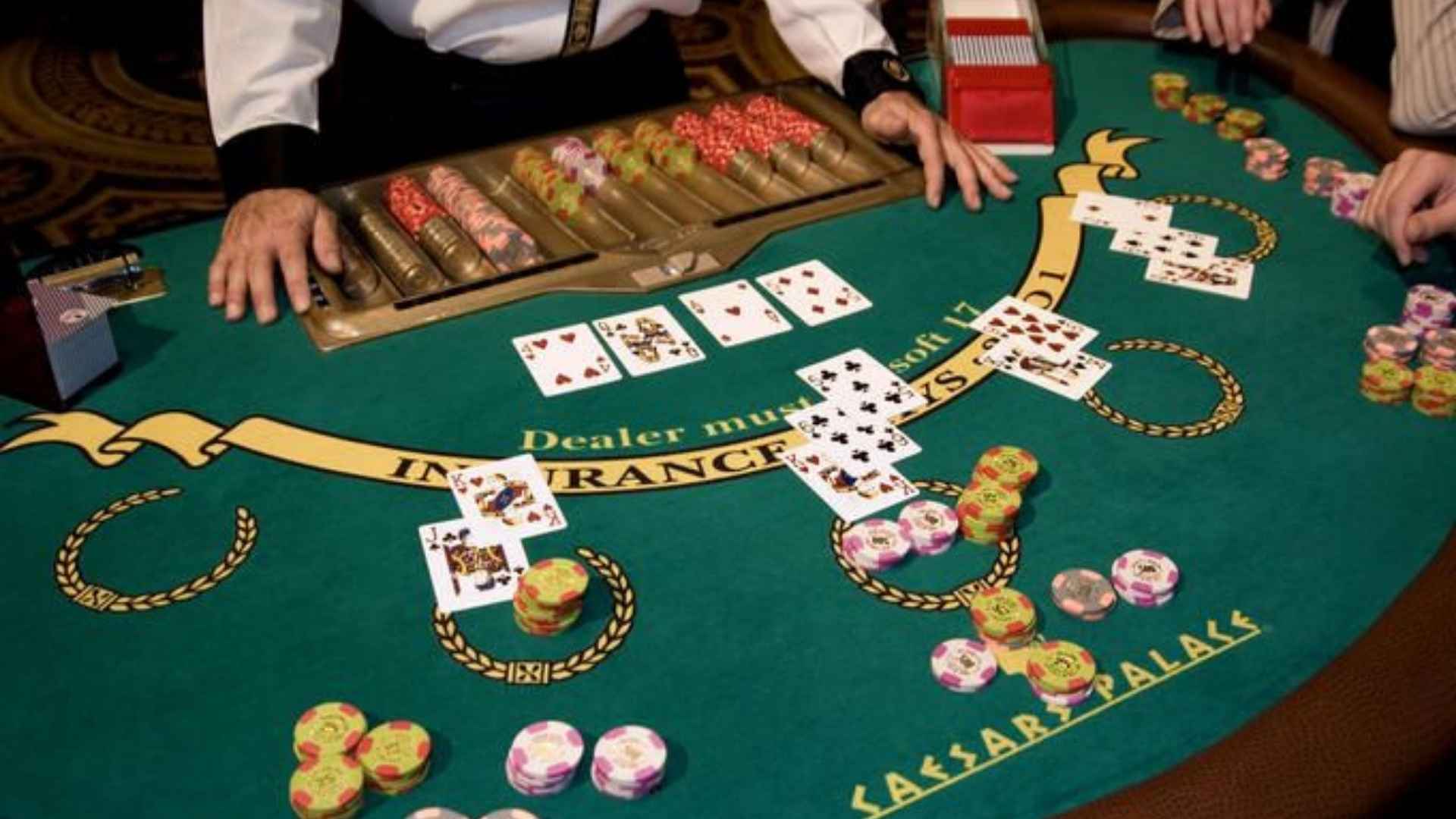
Developing strong strategic awareness at the bridge table requires more than just memorizing basic bidding rules or card values. True mastery comes from observing table dynamics, anticipating opponent decisions, and maintaining a clear mental map of remaining cards. By refining these observational and analytical habits, players can significantly elevate their decision-making during crucial tricks.
Tracking Card Distribution and High Cards
A key aspect of strategic awareness is keeping continuous track of which high cards have been played and how suits are distributed across the table. Skilled players construct a mental picture of hidden hands by combining auction inferences with early trick reveals. This habit allows declarers and defenders alike to predict potential outcomes with much higher accuracy.
To build this skill, start by focusing on a single suit during early practice rounds before attempting to count the entire deck. Over time, calculating remaining trumps and honors becomes an automatic mental process that frees up focus for deeper tactics. Consistent counting provides the baseline data needed to make informed risk assessments.
Reading Inferences from Bidding Sequences
The auction phase offers a wealth of strategic information long before the first card is led. Every bid, pass, or double communicates valuable clues regarding point distribution, suit lengths, and potential defensive strengths. Paying close attention to opponent choices helps you map out safe routes to fulfill contracts or set the declarer.
Experienced players constantly reassess their plans as the trick play confirms or refutes their initial bidding deductions. Recognizing subtle signals, such as delayed suit support or competitive overcalls, helps avoid falling into defensive traps. Integrating auction analysis into active play transforms passive observation into a powerful competitive edge.
Adapting Strategy to Table Dynamics
Flexibility is essential when unexpected card breaks or deceptive plays alter the course of a hand. Sticking rigidly to an initial plan can lead to missed opportunities when alternative routes offer higher chances of success. Evaluating new information after every trick ensures that your strategy evolves alongside table developments.
When taking a break from offline tournaments to explore online gaming platforms, many players check out the m88 bet options to enjoy varied gaming experiences. Regardless of the environment, maintaining composure under pressure prevents hasty mistakes and keeps your tactical focus sharp. Adaptability allows players to recover quickly from minor setbacks during tough sessions.
Reflecting and Analyzing Past Performances
Long-term strategic growth depends heavily on reviewing completed hands and identifying areas for tactical improvement. Discussing tricky bidding sequences or card play options with your partner highlights blind spots that may have gone unnoticed during the game. Analyzing alternative choices builds a richer repository of tactical responses for future encounters.
Dedicate time after each session to reconstruct memorable hands and evaluate whether risk management was handled effectively. Seeking feedback from more experienced mentors accelerates learning and provides fresh perspectives on complex scenarios. Continuous reflection transforms routine gameplay into a steady journey toward strategic excellence.