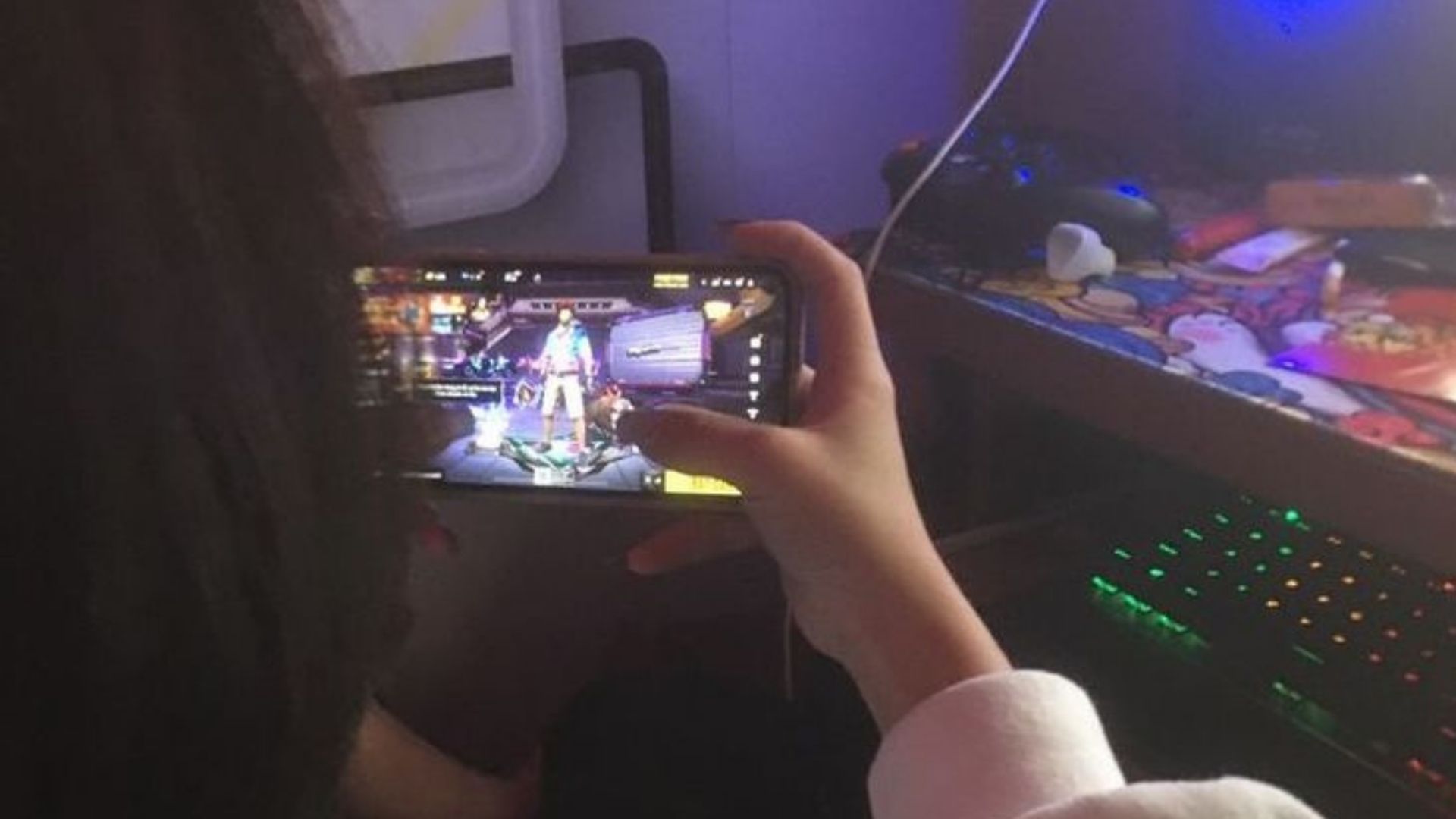
The interaction between a player and a digital gaming interface relies heavily on split-second real-time communication. Game creators constantly develop sophisticated visual indicators to ensure that every single action yields immediate emotional and cognitive satisfaction. When a participant initiates a rotation sequence, the flashing signs and gradual movement variations dictate how the player processes the entire ongoing experience.
The Psychology Behind Rotational Motion Graphic Design
Human perception is naturally drawn to dynamic motion changes, which instantly signal changes in structural significance. When design engineers build virtual interfaces, they focus heavily on how acceleration and friction alter player attention. A gradual deceleration curve builds profound excitement because it forces the viewer to track individual pointer indicators closely.
Furthermore, constant changes in brightness and layout contrast emphasize the most important structural components on the screen. These subtle configurations create a sense of direct control and heighten user satisfaction throughout the round. Without these meticulously engineered adjustments, standard random outcomes would feel entirely detached and unengaging for modern audiences.
How Color and Shading Shifts Communicate Ongoing Outcomes
Modern gaming software utilizes complex color shifting techniques to signal specific levels of success or potential modifiers. Bright gradients and sparkling particle effects consistently highlight near-miss scenarios, encouraging the user to try another session. These real-time visual alerts transform an otherwise abstract mathematical calculation into a vivid physical narrative.
Additionally, background shifts and lighting modifications mirror the dramatic tension of the current round. Many prominent digital platforms integrate these aesthetic patterns directly into their casual catalogs to retain user interest. For example, individuals exploring a dedicated gateway like ทางเข้าเล่น m88 will experience seamless visual feedback loops that make every rotational interaction incredibly crisp and memorable.
The Role of Micro Animations in Sustaining Player Curiosity
Micro-interactions represent the subtle design movements that happen when an interface element responds to direct user input. Small bounces, indicator shakes, and flashing outlines give physical weight to virtual buttons and circular dials. These brief adjustments eliminate clunky transitions and keep the overall pace of the game exceptionally smooth.
When these detailed components work in perfect harmony, they successfully reduce cognitive fatigue while maximizing casual player retention. Creators analyze exact frame-by-frame progressions to guarantee that no interactive moment feels empty or unresponsive. This absolute precision ensures long-term loyalty across highly competitive casual markets.
Future Developments in Immersive Interface Feedback
As consumer technology continues to shift toward virtual environments, graphical response models are becoming increasingly sophisticated. Upcoming design standards will likely integrate depth rendering and dimensional animations to recreate realistic physics systems. This evolution will allow future users to feel a greater sense of presence during everyday casual play.
Ultimately, the continuous refinement of visual responses bridges the gap between mechanical mathematics and true entertainment value. By prioritizing balanced presentation styles and fluid tracking systems, developers turn standard digital spins into highly memorable events. The future of interactive design depends heavily on making these quick sensory moments as fulfilling as possible.