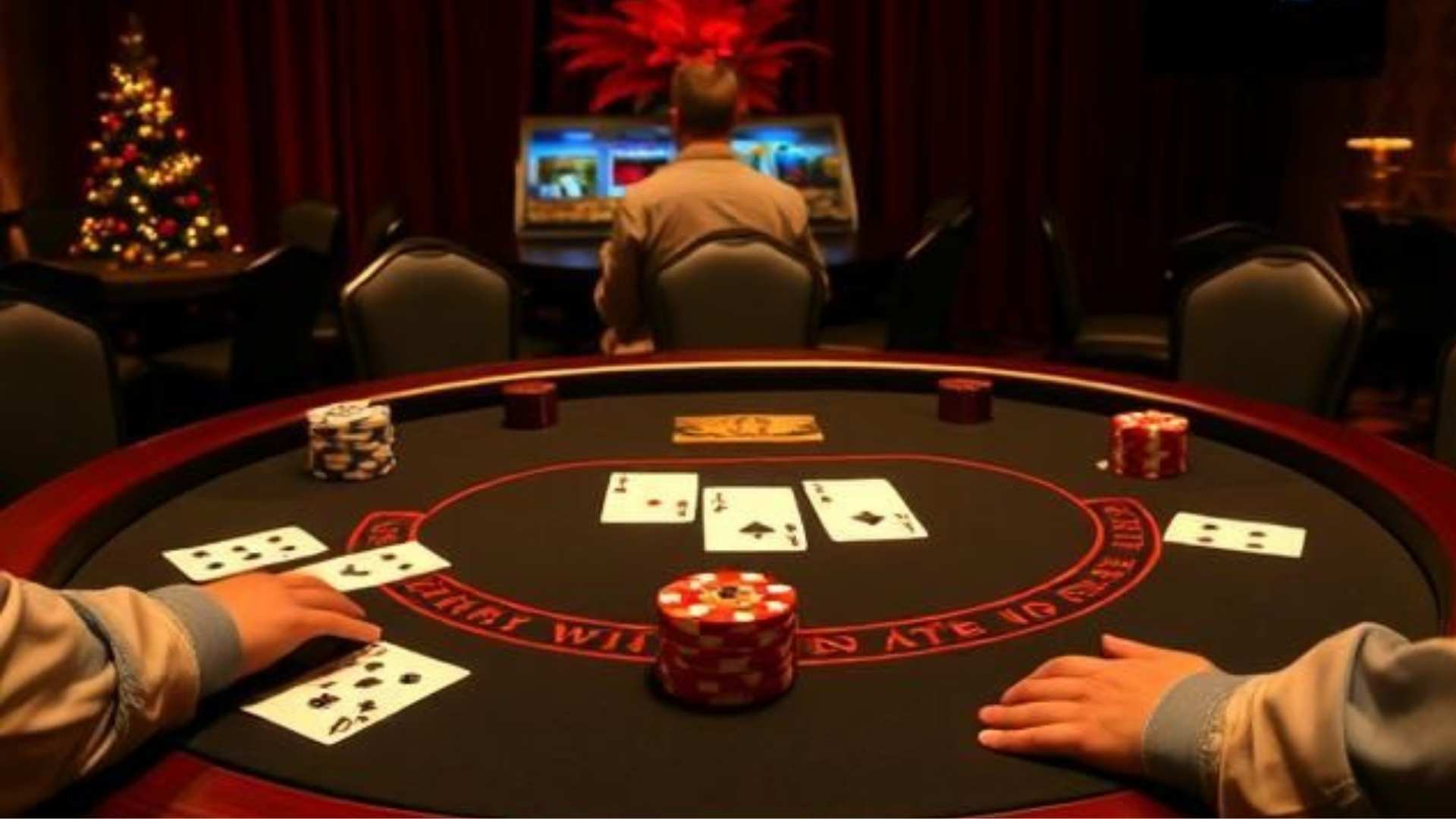
Contract bridge is widely celebrated as one of the ultimate partnership card games, requiring players to perform as a single, cohesive unit rather than individual competitors. To truly excel at the table, partners must develop a deep sense of mutual trust and master non-verbal communication methods. Implementing structured team-building techniques can elevate a partnership from a simple pairing to an unbeatable, coordinated unit.
Mastering Partnership Bidding Agreements
The foundation of any successful bridge team lies in establishing a comprehensive and crystal-clear bidding system before the game begins. When partners share a precise understanding of what each bid communicates, they significantly reduce the margin for error during the auction phase. A synchronized team knows exactly how to describe hand strength and suit distribution without creating confusion.
Many elite pairs spend hours refining their convention cards to ensure they are fully prepared for any competitive scenario. This structured preparation helps teammates anticipate each other's tactical decisions under tournament pressure. Having a solid consensus allows both players to focus on strategic execution rather than guessing their partner's intent.
Refining Defensive Card Signaling
Defending a contract is arguably the most intellectually demanding phase of the game and requires seamless coordination. Since defenders cannot see each other's cards, they must rely on highly disciplined signaling techniques to share crucial information legally. Utilizing standard methods like attitude, count, and suit-preference signals helps paint an accurate picture of the hidden hands.
To sharpen these defensive instincts, players often study simulated scenarios on specialized gaming platforms like the M88 Login alternatif portal to keep their minds agile. Learning to decode partner's signals in real-time prevents defensive leaks and forces the declarer into making mistakes. Regular defensive training builds a strong intuitive connection between partners that pays off in critical sessions.
Conducting Post-Game Hand Analysis
Real improvement in coordination happens when a partnership takes the time to review their played hands constructively. Discussing misunderstandings without placing blame builds a supportive atmosphere that fosters mutual respect and learning. Analyzing both successful contracts and costly defeats helps identify recurring patterns in partnership communication.
Teams that dedicate time to post-game reviews can systematically iron out weaknesses in their competitive bidding and defensive agreements. This analytical habit ensures that mistakes are treated as valuable teaching moments rather than sources of frustration. Over time, this shared reflective process transforms a standard team into a highly coordinated and formidable force.